
Drawings embody the decisions made in the design process - so why deviate?
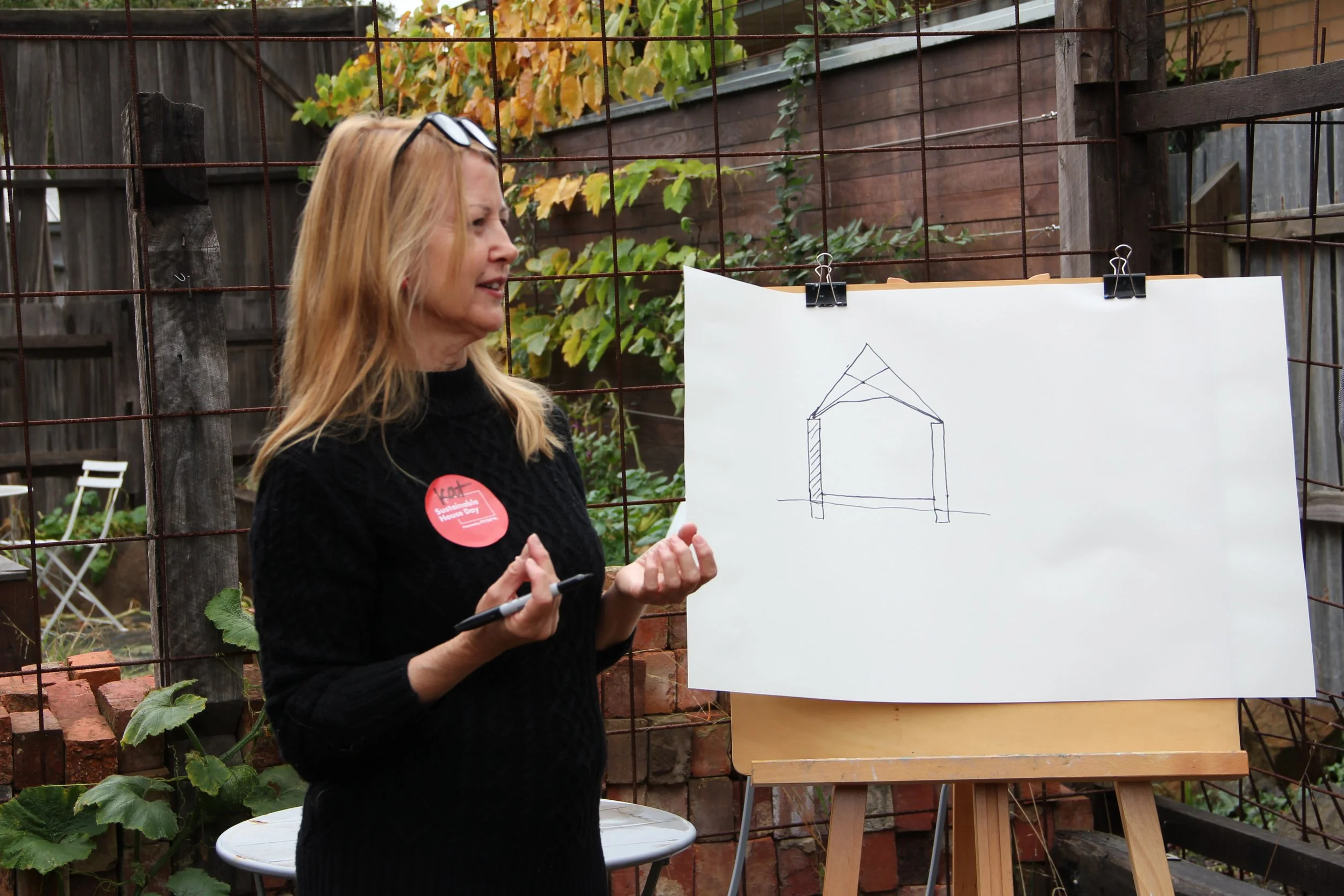
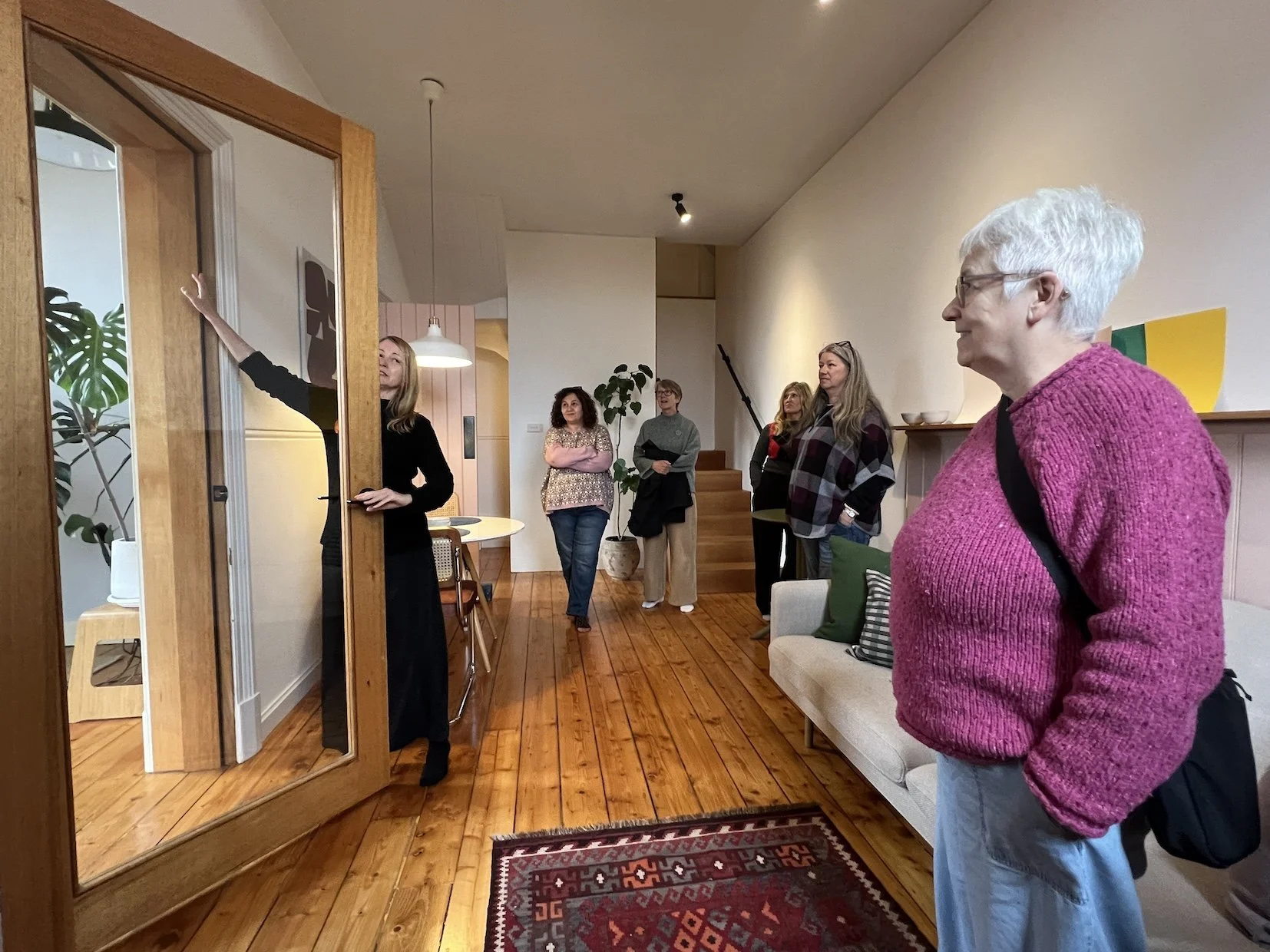
I was showing my recent Sustainable House Day photos to a friend and her response was “very teacherly”. Sure enough, I was standing at an easel set up like a white board and was drawing on a large sheet of paper. The participants had formed a line, watching like students. I explained to my friend, “I can either explain something in words or I can draw it - I prefer to communicate with a drawing”. She looked at my drawing in the photo and said, “What are you drawing there?”
I replied, “That’s a section through the building - I wanted to show where I added insulation”, while thinking to myself Doh, isn’t that obvious?
It wasn’t!
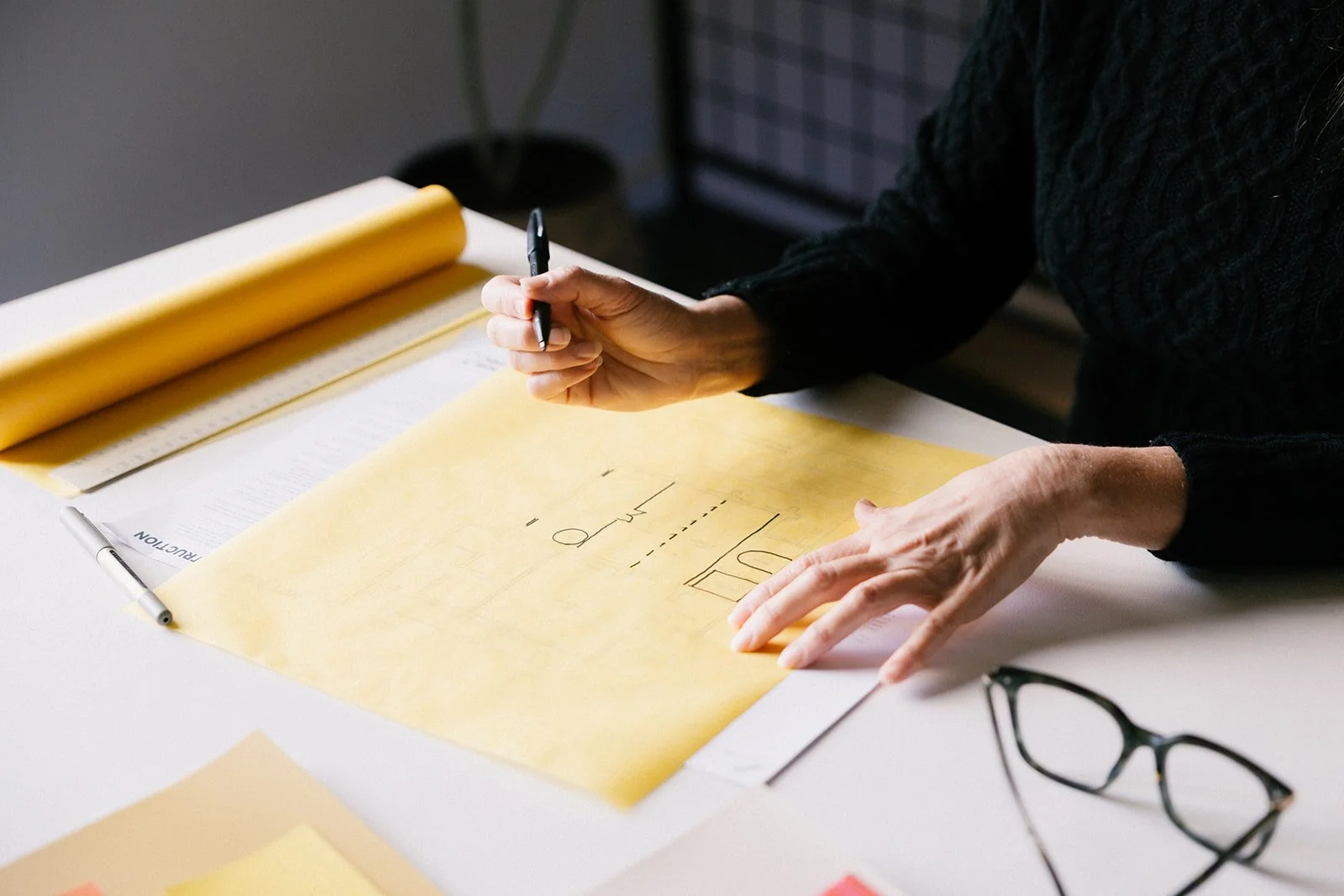
Architects like to draw and in fact, they have to draw. Drawings are ultimately what the construction team works off.
Throughout the design process, architects draw in meetings while clients watch their ideas and briefs transform into bubble diagrams and sketch plans. Architects translate the spoken and written word into drawings. But is this like translating English into Italian when the client doesn’t know Italian? My friend clearly didn’t know the language.
The number of times I’ve had drawings approved by clients and subsequently discarded on site when they decided to manage the build, has been one of the most baffling parts of my career. “We went through that A3-sized detail in the meeting, you liked it and signed off on it. Why did you let the builder to change it on site?”
Here’s the thing. No one wants to admit they don’t quite get the drawing. And there’s something else. Bound up in that translation is a whole lot of problem solving, requiring skills that took years to develop. Months later when you’re on site with just the drawing, you forget all the problem solving that got you to the design. And furthermore, the builder, who was never involved in the process, doesn’t know the WHY. Should drawings therefore have more notes about why, or is a faithful translation just respect for the author?
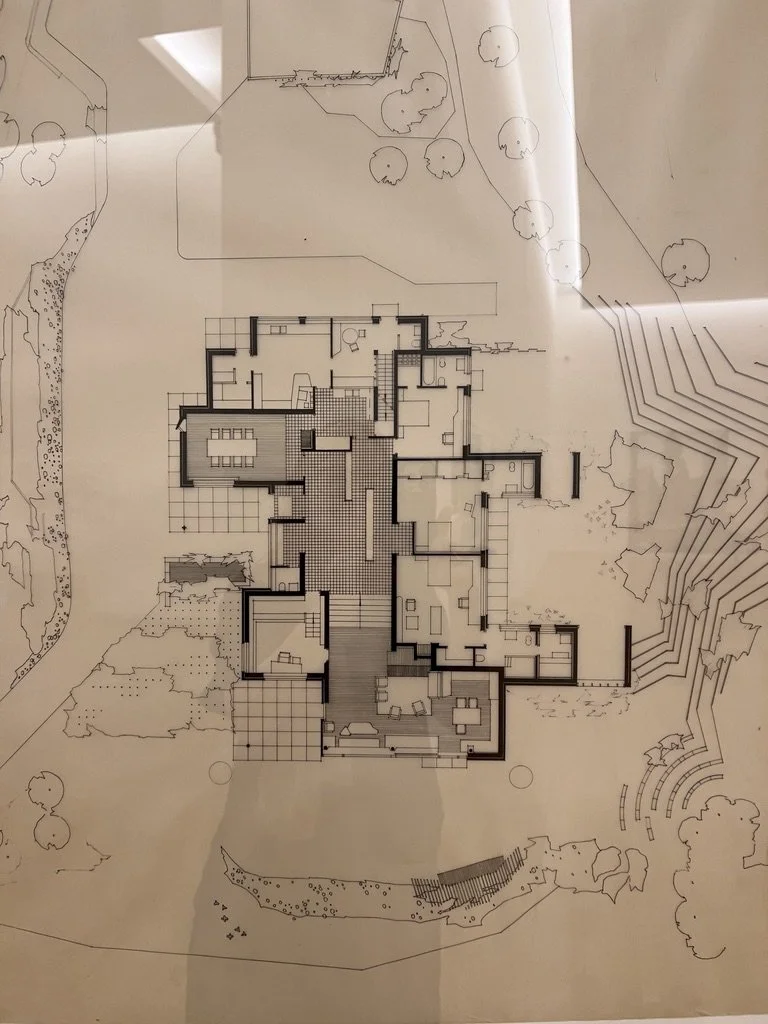
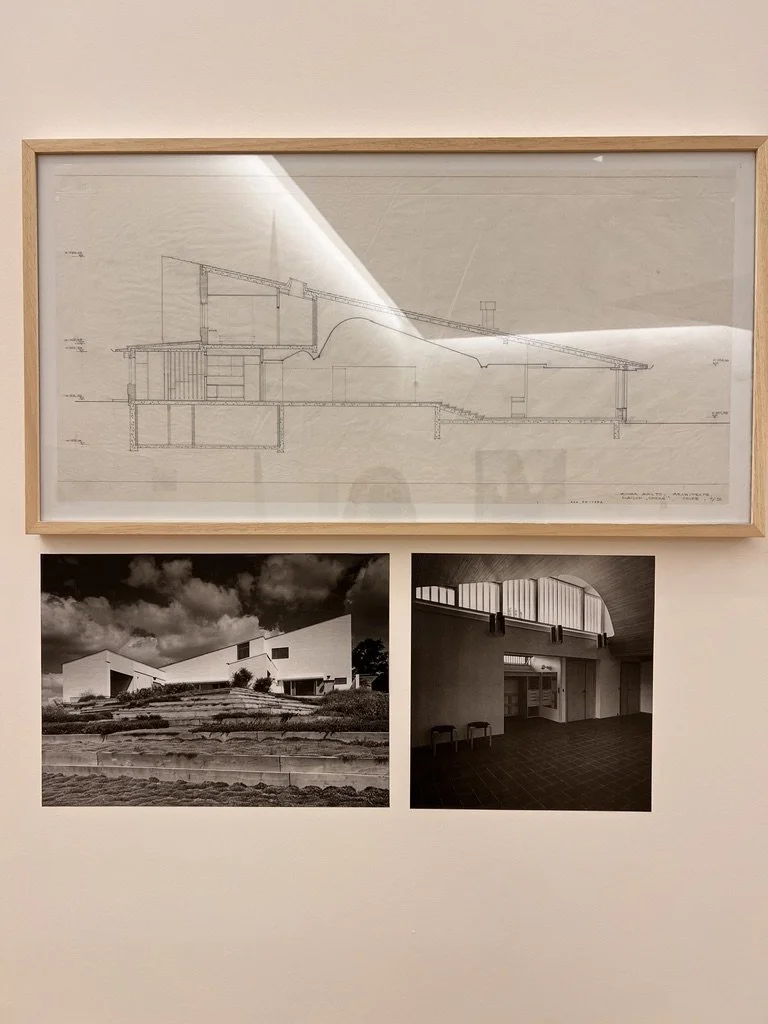
When I saw Alvar Aalto’s drawings in an exhibition in Porto last September, I was moved by the beauty of the hand drawings and how the nuances of those drawings found their way into the built work. There must have been a deep level of respect for drawing that commanded understanding - a consensus that to engage in this process, you need to know the language.
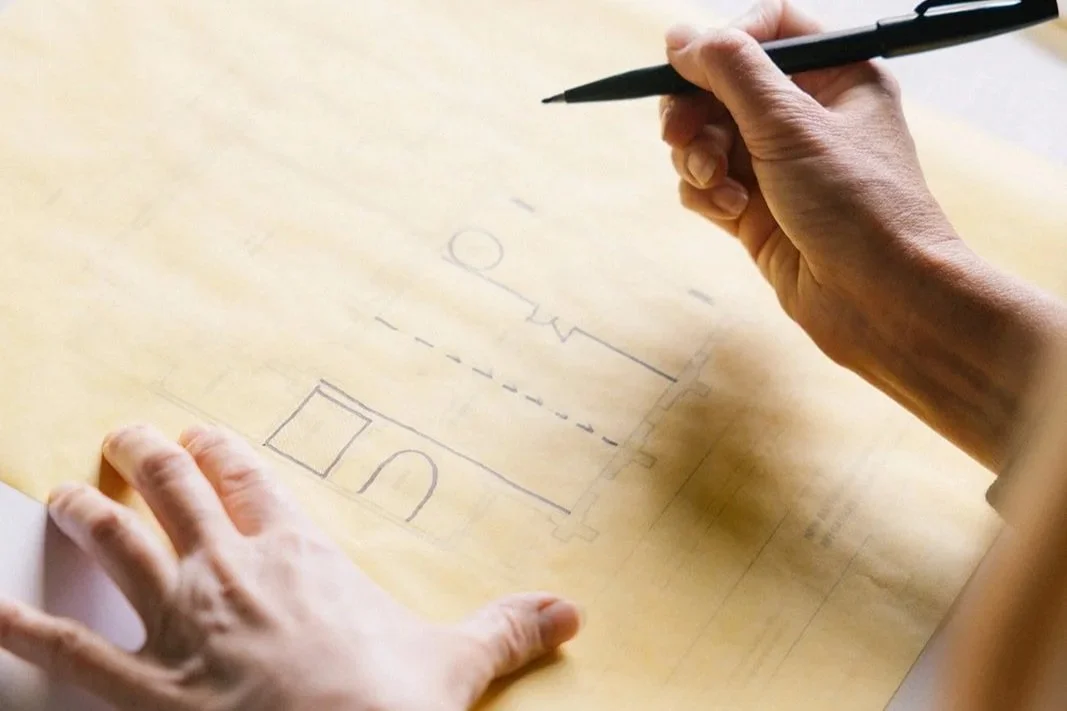
In recent times, I’ve come across a lot of skimmers - builders skimming for dimensions, quantities and materials but not seeing the whole. They tinker with the sentences and the whole story changes. Often it loses coherence. It doesn’t flow. It’s like another author swapped out a page with their own text. The project suffers and the client doesn’t get what was designed or quoted. When architects meet regularly with builders on site, a faithful translation materialises.
That comment from my friend was a reminder. Drawing is a distinct language that not everyone can read. When communicating with drawings - whether it’s in a client meeting or a site visit - checking to make sure the drawing is really understood, and why each part of the drawing matters, can untangle the architectural process and lead to a coherent, meaningful building.
Want to stay in one of our projects?
School House Town House was open to the public on Sustainable House Day 2026 and now it’s available for short term accommodation.