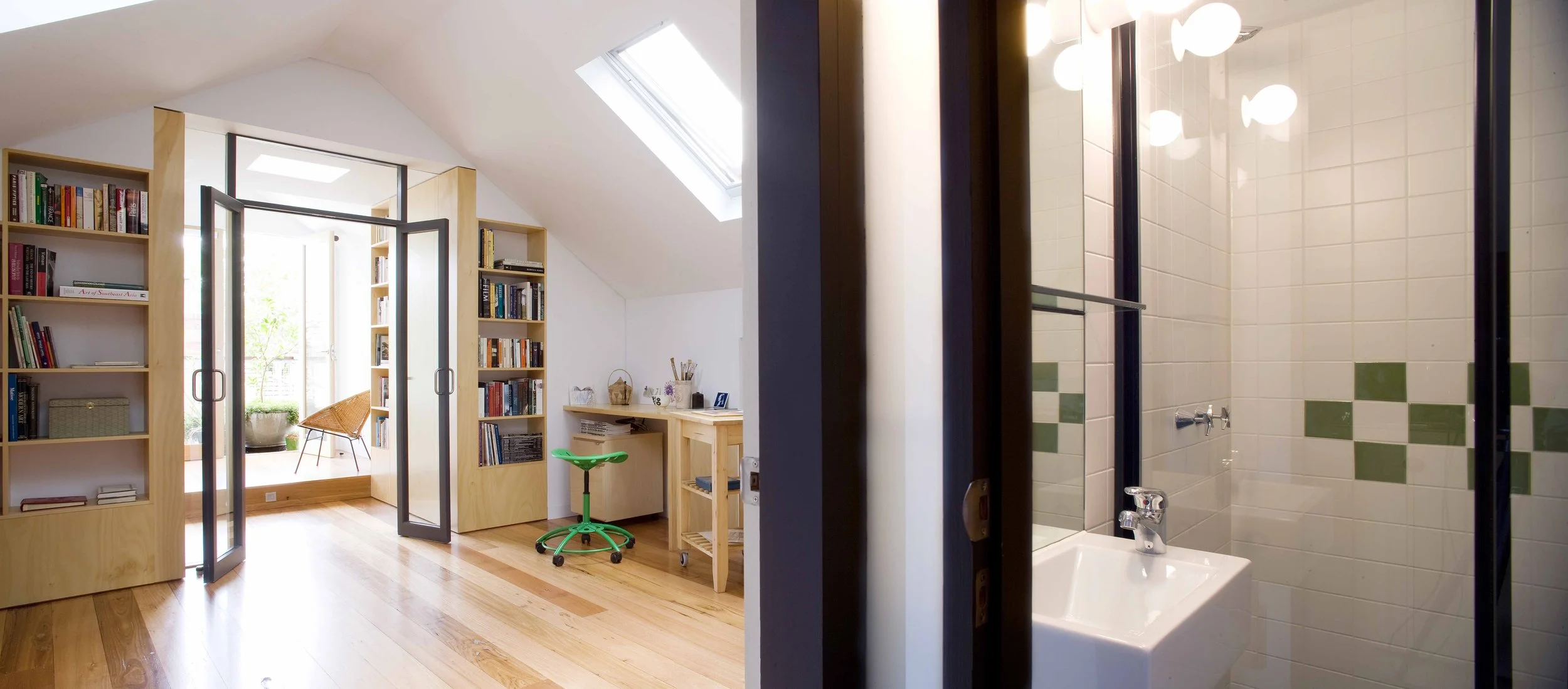
Discover the untapped vertical real estate that could save your sanity and help the next generation.
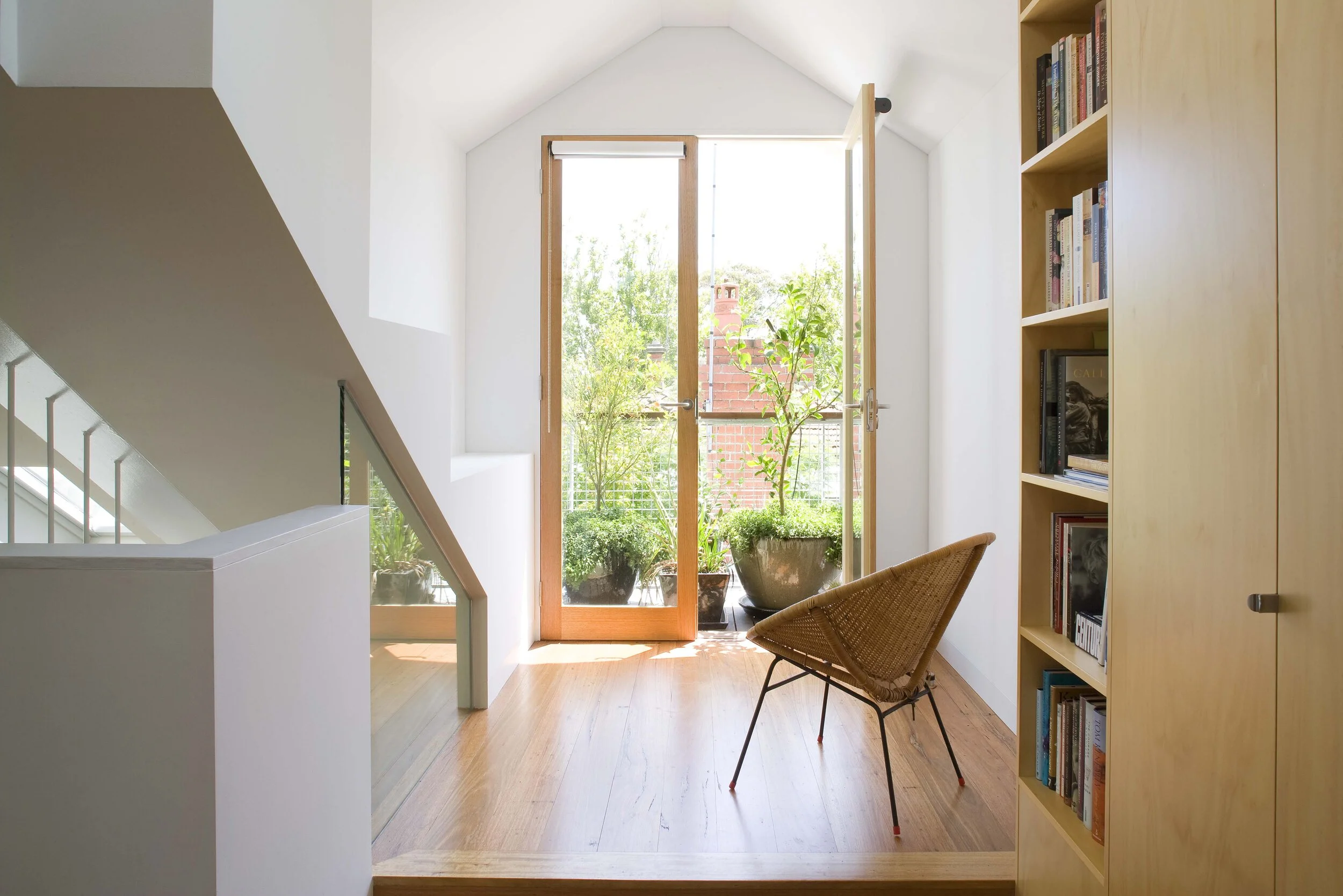
Light-filled loft studio with north-facing balcony provides independent living space without ground-floor extension disruption.
Photography: Shannon McGrath
Does your home contain more space than you realise?
How an architect can help you assess and repurpose hidden space that already exists in your home for successful multi-generational living.
Back in 2008, I was approached by a couple in their mid-60s who owned an Edwardian house in St Kilda. Nearing retirement, they were nervous about giving up work life and being at home all day, doing consulting work and getting in each other's way. They wanted a plan to help them through this transition, giving them more space to work independently and cater for grandchildren.
The clients had already lived in the house for twenty years and had accessed the roof to store boxes—they noticed that parts of the roof were high enough to walk around in, prompting them to seek an architect for advice. They wanted a roof space conversion that would be invisible from the street due to a heritage overlay and have minimal impact on the downstairs layout of their meticulously maintained home.
They envisaged independent home offices, sleeping quarters for visiting grandchildren and a painting studio with wash-up area and small bathroom—all within the existing roof. At this point they were unsure whether all this would fit and how the attic would be accessed. Through careful design, we managed to fit their entire wishlist and additional walk-in storage and a north-facing balcony. A small downstairs bedroom was sacrificed to become a second study and the stairwell. The build took place in 2008.
Almost twenty years on, the space is currently occupied full-time by a grandchild in their early 20s. What started as a work space has become stable, affordable accommodation for a young adult saving to move out. As rental costs soar and young people struggle to enter the property market, multi-generational living is becoming increasingly popular. A rooftop conversion is ideal for properties where a granny flat won’t fit — allowing privacy and independence while preserving precious garden space.

Attic conversion maximses vertical space with built-in desk under sloped ceiling in heritage Edwardian home.
Photography: Shannon McGrath
I Stayed in Someone's Attic Conversion—Here's What Impressed Me
This type of solution isn’t unique to Australia. Recently, I stayed in an Airbnb in Bordeaux France — a self-contained attic in a family home. The parents were welcoming but simply gave me the key to the attic and left me alone. One day I was coming down the stairs and could hear one of the teenagers playing loud music. From the attic, I couldn’t hear a thing. They must have installed good soundproofing. I reflected on how my presence had almost no impact on how the household downstairs functioned. It struck me as the perfect setup for the family – a way to pay off renovation costs until this teenager moved upstairs to live independently, with zero impact on the household’s daily rhythm.
Soundproofed attic staircase in French family home demonstrates multi-generational living with complete acoustic privacy separation.
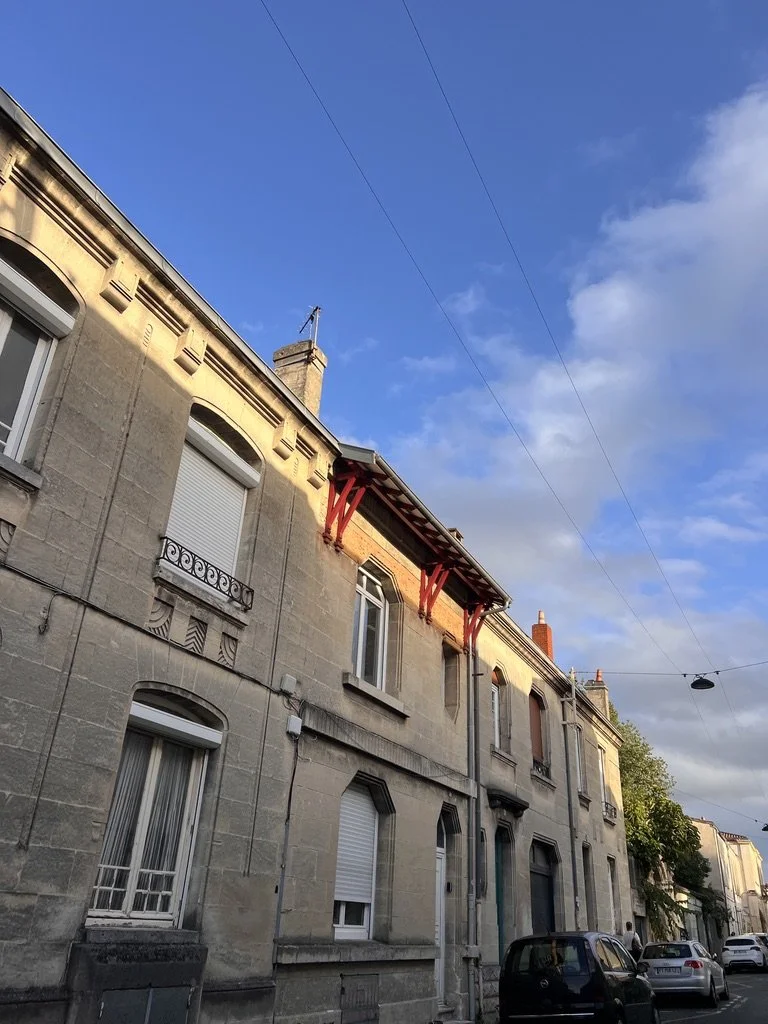
The attic is conversion is completely invisible from the street due to heritage constraints.
Ready to explore what's possible in your attic?
I can help you understand what's actually achievable in your space and how to design flexibility for whatever life brings next—whether that's accommodating grandchildren now, creating rental income later, or something you haven't even thought of yet.
5 Reasons to Add an Attic Conversion
If you already know you want to take action, you can book a consultation, otherwise, read-on for more useful advice.
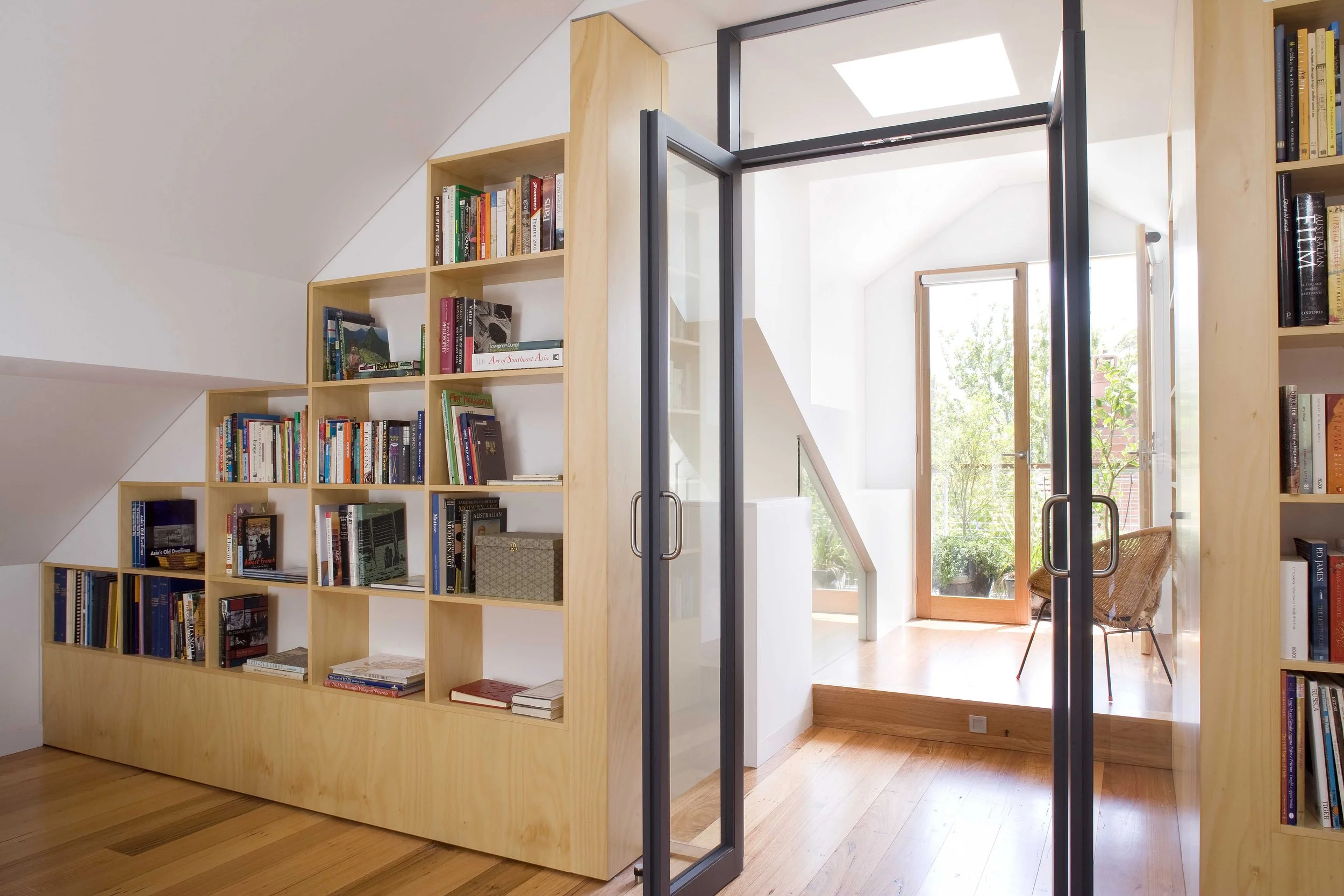
Three Design Principles I Use in Every Attic Conversion Project
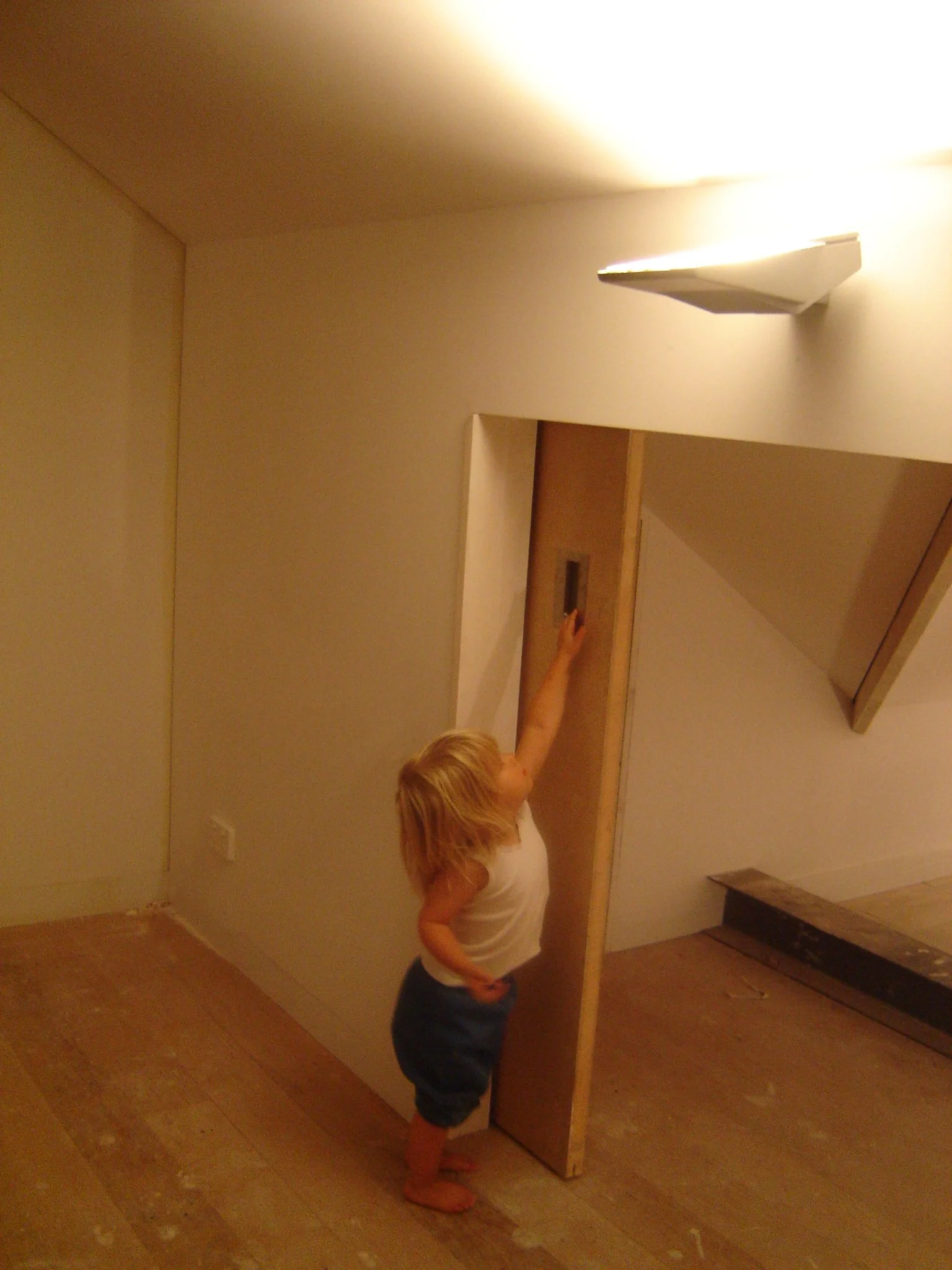
Identify the livable zone in the roof using the NCC formula for attic floor area based on head height (link) THEN extend the space by positioning fixed furniture (built in desks, shelving and seating) under lower than regulation ceilings. Creating these nooks, and pushing the attic walls out, can make the space feel so much bigger.
Start the design by locating the stair on the upper level and work down. A common mistake that I see most clients making, is locating the stair on the ground floor first. They get stuck when they realise the roof isn’t high enough at the top of the stair. Unless you plan to change the roofline, locate the top of the stair where the roof line is high enough to stand and work down to the ground floor.
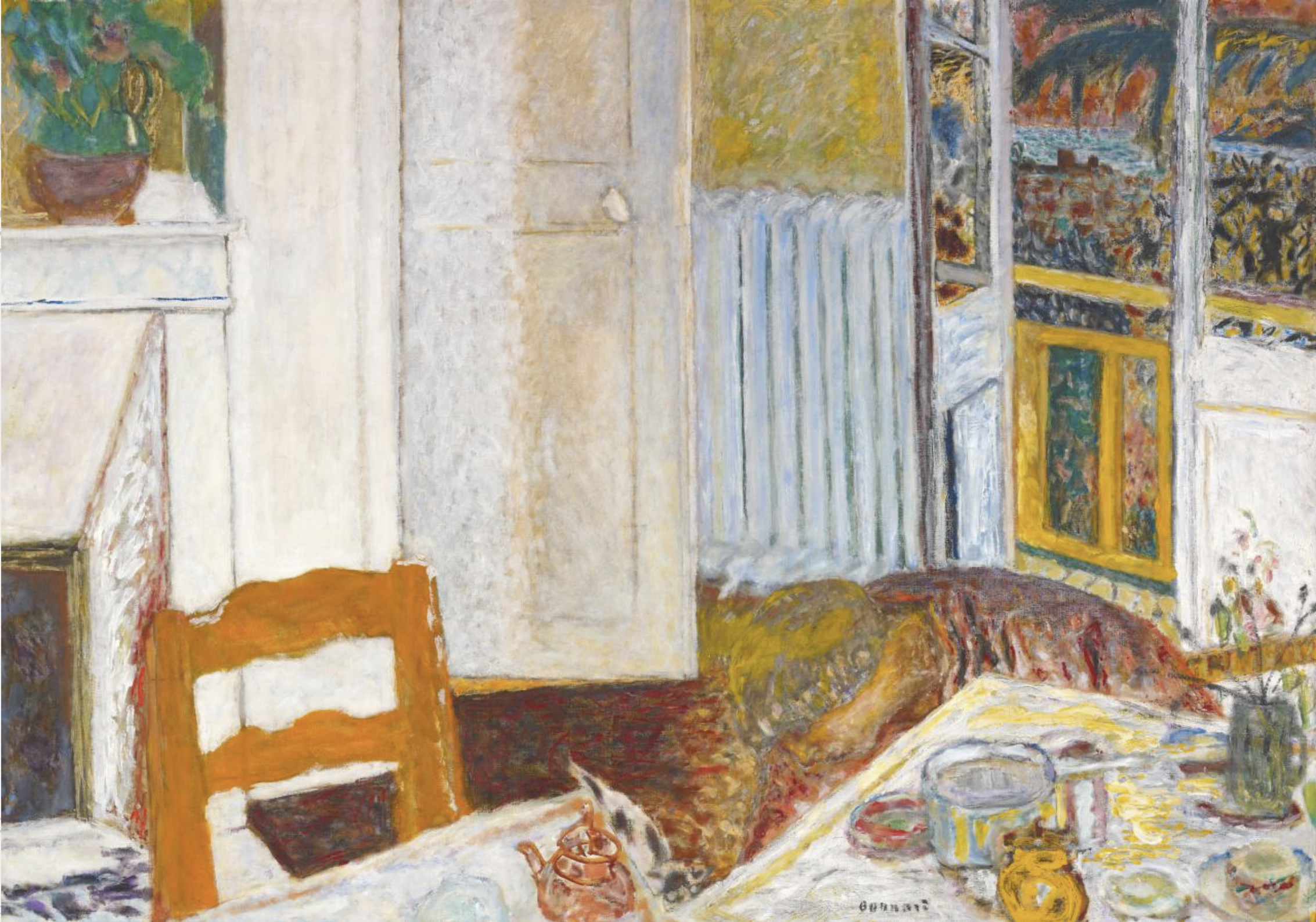
Create ambiguous edges to “extend” space. Internal glass, mirrors and joinery can break the line of whether floor meets wall, allowing space to break out beyond the room. Use roof windows to frame rooftops and sky, to bring the outside world in. We see this in painting all the time - Matisse, Bonnard, and even further back to Piero della Francesca — masters of the interior view gave us glimpses of the world beyond by strategically placing mirrors, windows and open doors into other scenes to extend the space beyond the room itself.
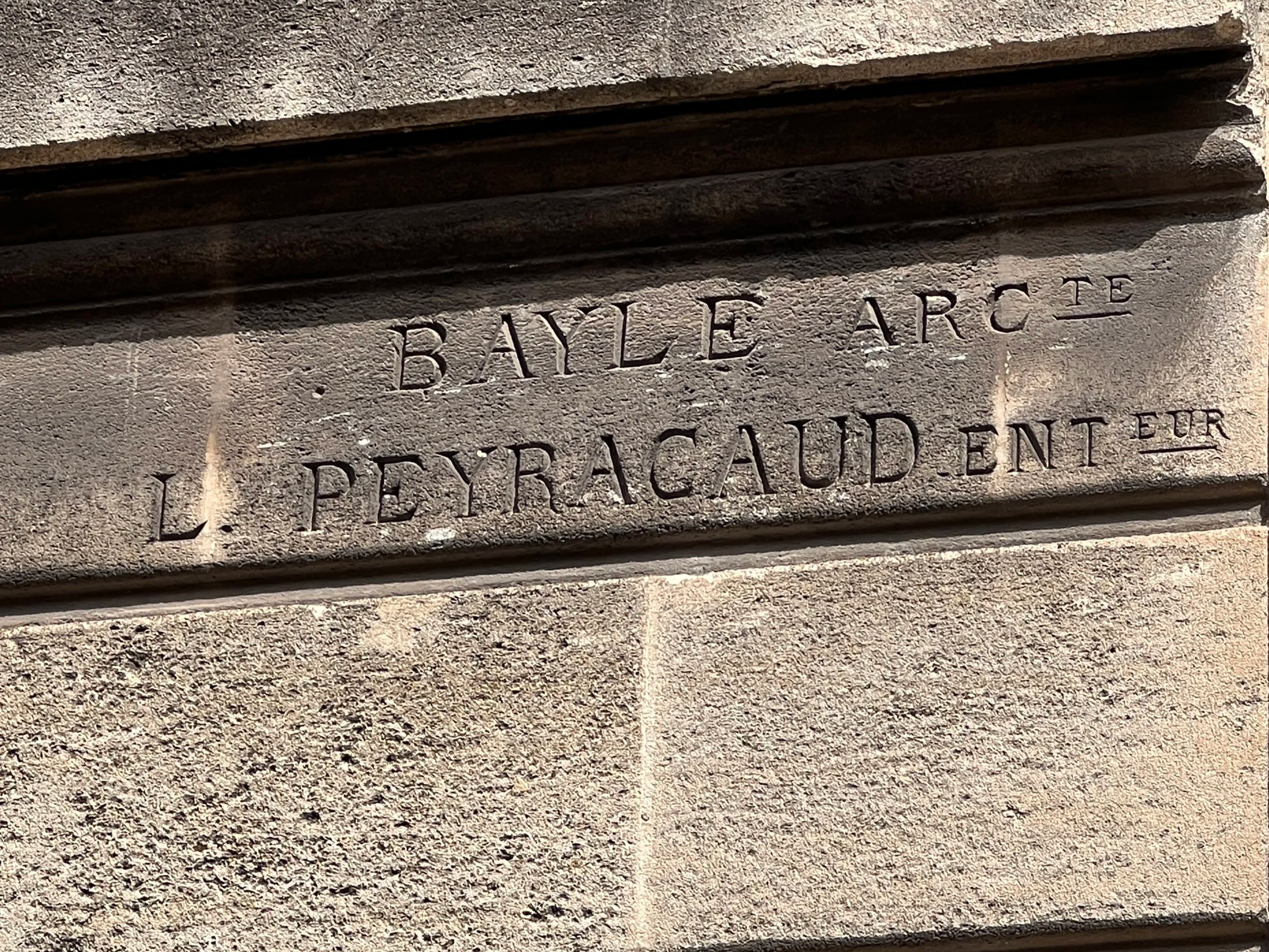
In 19th century Bordeaux, architect and engineer names were inscribed on house fronts as status symbols.
These design moves are one thing, but know the structural and regulatory framework first:
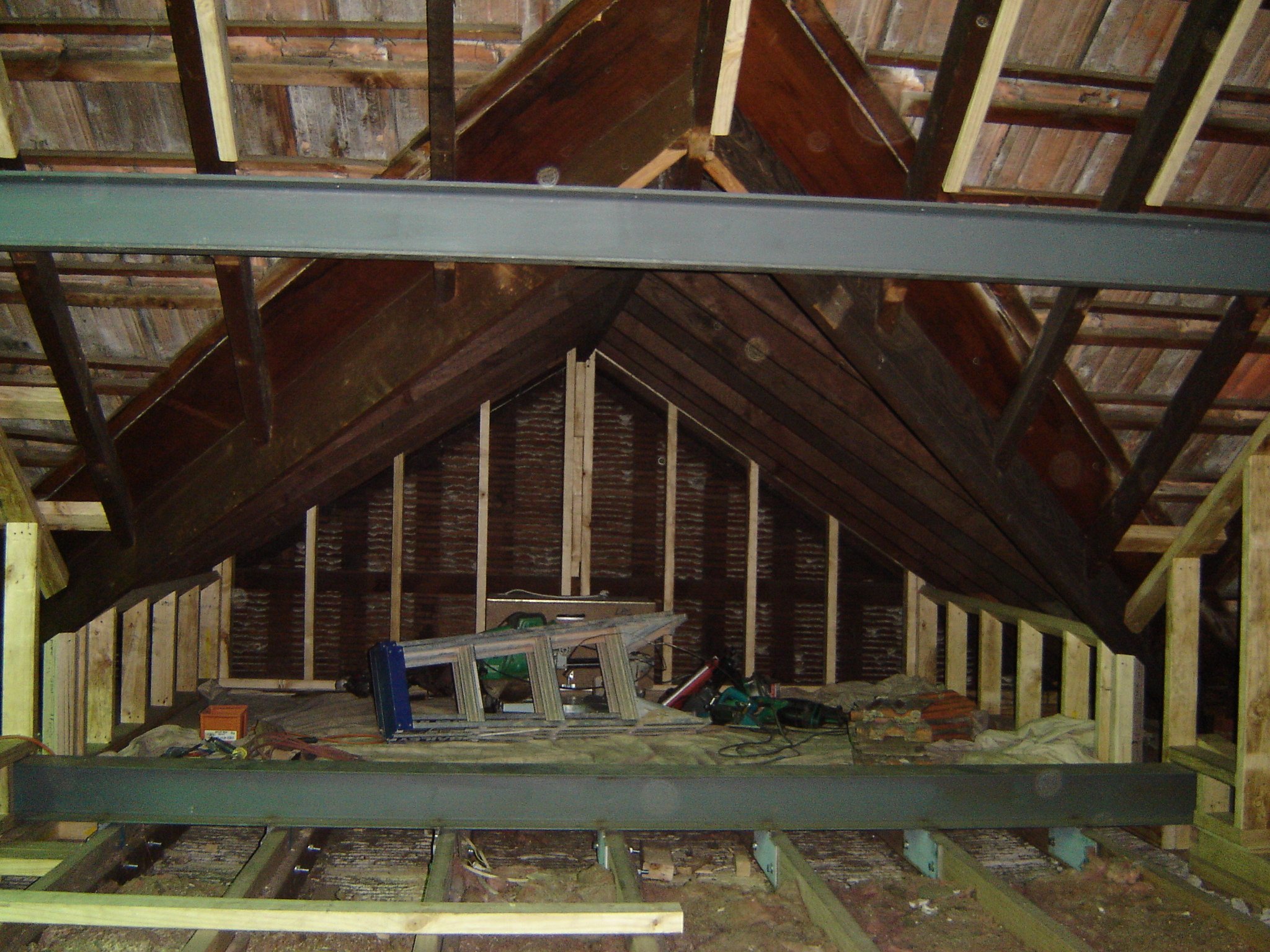
Your ceiling is not a floor — ceiling rafters are not floor joists. They are not structurally strong enough for the loads that will be added when you convert a roof. Engineering will be required and a new structural floor will be needed. Getting the structure to fit is part of the design process, as you can see in the image below. There may also be vertical “props” in the roof that need to be moved, calling for an engineering solution.
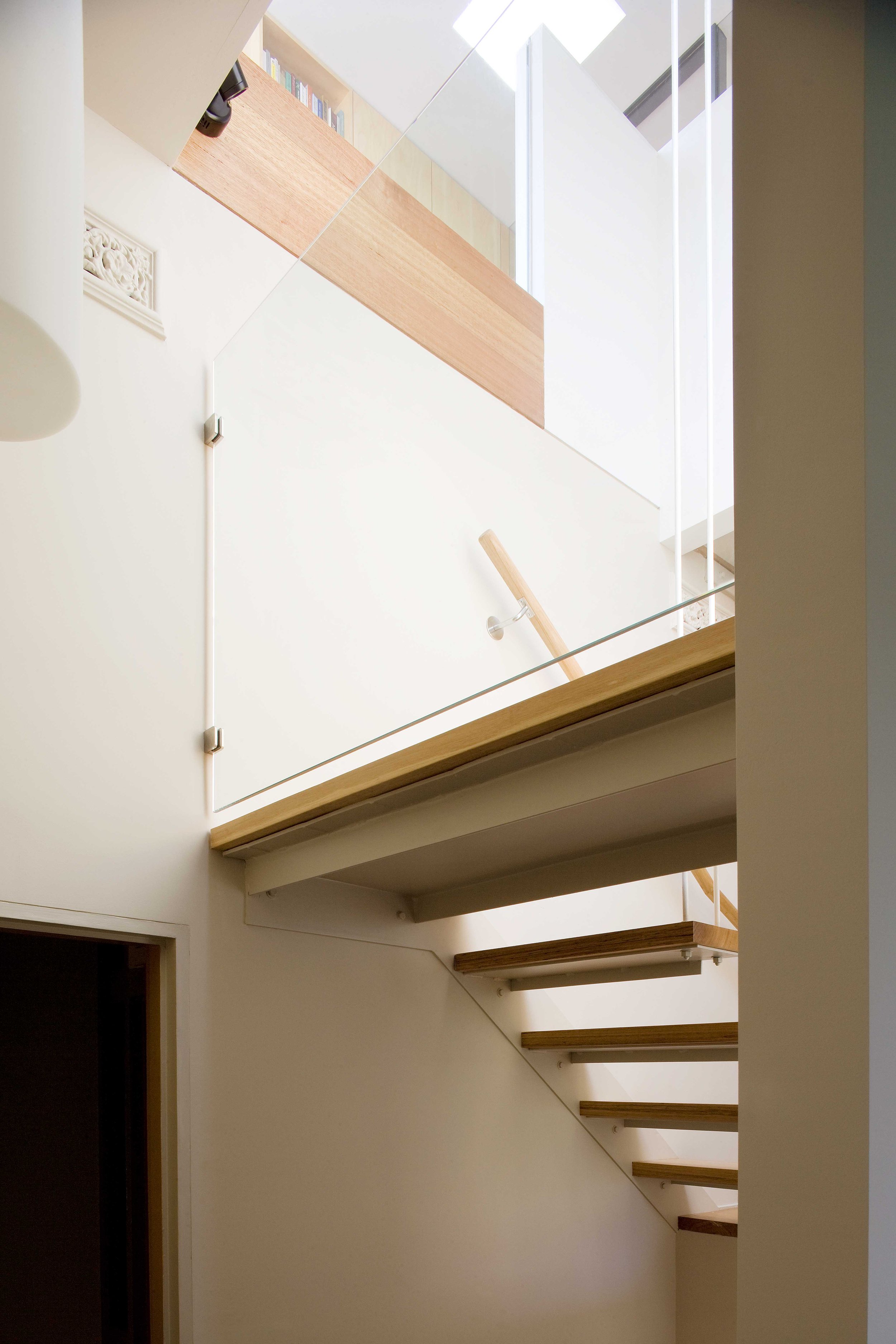
Stairs can take up a lot of space and are tightly regulated under the NCC. Stair design is tricky ( headroom, landings, balustrades, tread-to-riser ratios all have to comply) and you will need an expert designer and stair builder. Stairs don’t magically hold themselves up — a stair builder will know how to build what your designer designs. And remember, a spiral stair is a great way to save space but not everyone’s preference in terms of usability.
Cooling is the challenge in the roof. Heating won’t be the priority as heat will naturally rise from rooms below to heat the roof space. Sloping ceilings make a room’s volume smaller — so in winter, the space won’t take much to heat and should be super cosy. But in summer, particularly when thermal mass (bricks) releases stored heat during the night, an openable roof window or skylight (with block-out blinds and mosquito net) is essential for removing trapped heat. Adding a small split system is probably unavoidable.
Spend on insulation — add acoustic insulation to the new attic floor and thermal insulation to the roof itself.
Design for the Future: Accessibility Tips to get You Started
Smart design also considers your own future needs. Here are essential accessibility features to build in now:
The Staircase
Minimize winders wherever possible — they're harder to navigate as mobility decreases
Include a landing midway up for a rest break
Install strong, sturdy handrails on both sides
Make the stair wide enough for a mobile chair — straight stair lifts typically cost between AUD $4,500 and $8,000 installed according to Lifts For Homes
If budget allows, plan for a small footprint lift from the start
More than Extra Space - Creating Options for the Future
Converting your roof space is about creating support. For my St. Kilda clients, it meant independence in retirement and, unexpectedly, a way to support their grandson through his twenties. For you, it might be the answer to how you help the next generation while future-proofing your own home.
The housing market has changed dramatically since you bought your first home. Your grandchildren face challenges you didn’t – but you have an asset they desperately need: space, stability, and family support. A thoughtfully designed attic conversion can provide all three, keeping loved ones close while everyone maintains their independence.
Rhiannon Stevens, ABC journalist, writes “multi-generational living in the form of renovations, second dwellings and granny flats is a positive twist on the tired, sad tale of Australia’s housing crisis which is providing social, economic and environmental benefits”.
If you're considering this path, start with good design advice and expert builders who understand heritage properties. The investment pays dividends not just in property value, but in family connection and peace of mind for years to come.
Next steps
Book a free introductory zoom meeting - share photos over zoom and discuss the process.
After we’ve met on zoom, book a site inspection to assess your site and provide a concise feasibility report (this is a paid service).
If the project is feasible and aligns with your brief, proceed to a concept design (this is a paid service).